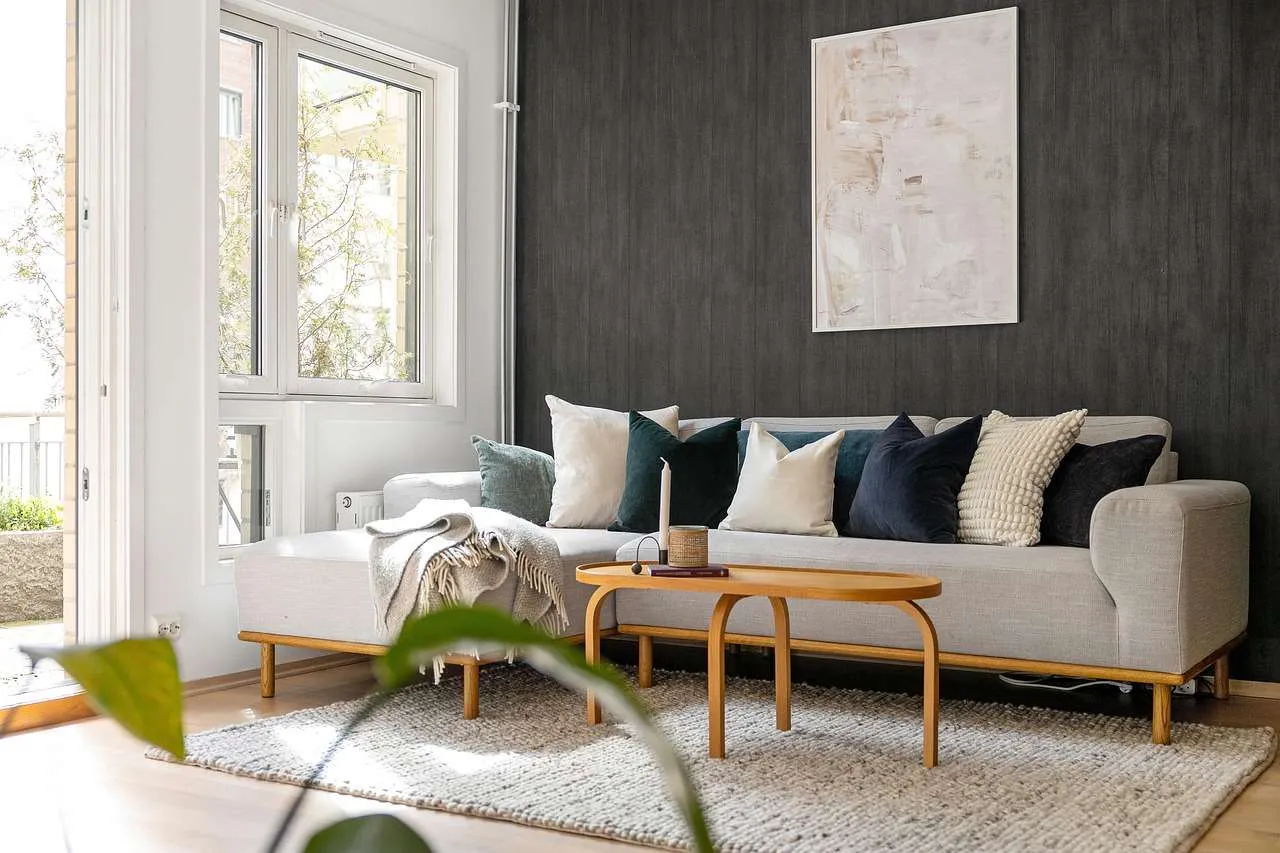
What is Home Window Tinting?
Home window tinting involves applying a thin, durable film to interior or exterior glass surfaces. Modern window films are designed to reduce heat transfer, glare, and ultraviolet (UV) exposure while preserving visibility. This simple upgrade can enhance comfort, protect furnishings from fading, and contribute to energy efficiency without sacrificing natural light.
Benefits of Home Window Tinting
Energy savings and comfort
By reflecting a portion of solar heat and reducing heat gain in summer, window tinting can lessen the load on your HVAC system. In winter, certain films help minimize heat loss. The result is a more consistent indoor temperature and improved comfort across rooms with large or sun-facing windows.
UV protection and fade prevention
Most high-quality films block up to 99% of UV rays, which helps prevent fading of flooring, furniture, and artwork. UV protection is a long‑term investment in your interior aesthetics and the longevity of your belongings.
Privacy and aesthetics
Films range from subtle, non-reflective tints to decorative or one-way mirror styles. Depending on the film, you can improve daytime privacy while maintaining outward visibility from the inside. This balance is especially valuable for ground-floor rooms and street-facing windows.
Safety, durability, and sustainability
Quality window films add a layer of shatter resistance, holding glass fragments together in the unlikely event of breakage. They are durable, low-maintenance, and often contribute to a smaller environmental footprint by reducing energy use and cooling loads.
Types of Window Films
Solar control films
These films are designed to reduce heat gain and glare. They come in clear, neutral, or slightly tinted options and are ideal for hot climates or rooms with intense sun exposure.
UV-blocking and clear films
Clear or near-clear films emphasize UV protection with minimal impact on visible light. Suitable for preserving natural daylight while protecting interiors.
Privacy and decorative films
Privacy films range from frosted or etched patterns to reflective or gradient finishes. Decorative options can enhance curb appeal and interior design while maintaining daylight transmission.
IR-blocking and high‑performance films
Infrared-blocking films target heat at the source, offering stronger energy savings. These are often used in homes with expansive south or west-facing glass walls.
How to Choose a Professional Installer
Expert installation is critical for appearance, performance, and warranty coverage. Follow these guidelines:
- Look for certified installers, preferably IWFA (International Window Film Association) members, who follow industry best practices.
- Ask for a written warranty and examples of prior installations similar in size and type to yours.
- Request a pre-installation assessment to verify glass type, existing coatings, and potential surface contaminants.
- Compare materials and guarantees; beware of unusually low prices that may reflect lower-quality film or rushed work.
Installation Process and Maintenance
- Consultation and measurement: A technician assesses window sizes, glass type, and shading goals.
- Surface preparation: Glass is cleaned thoroughly to ensure proper film adhesion.
- Film application: The film is cut to size, applied with adhesive, and bubbles are removed for a smooth finish.
- Curing and inspection: The film dries and cures, followed by a final check for edges and seams.
Maintenance is simple: use mild soap and water or specialized window-cleaning solutions. Avoid ammonia-based cleaners or abrasive tools near the film, which can compromise integrity and clarity over time. Regular inspections, especially after heavy storms or temperature swings, help preserve performance and aesthetics.
Cost, ROI, and Regulatory Considerations
Costs vary by window size, film type, and installation complexity. Typical residential installations range from modest options in the mid-range to premium films for high-visibility rooms. Expect per-window costs to reflect size, film quality, and labor. While upfront investment is a consideration, the long-term energy savings, UV protection, and extended interior life can yield a favorable return over several years.
Regulatory considerations matter in some regions. Local tint regulations may specify permissible VLT (visible light transmission) or darkness on certain windows, especially those facing streets or driveways. Always verify local laws and obtain professional documentation to ensure compliance while achieving your comfort goals.
Window Film Options: Quick Comparison
| Film Type | Main Benefit | Typical VLT | Durability | Typical Cost per Window | Best For |
|---|---|---|---|---|---|
| Solar control film | Heat rejection and glare reduction | 30–60% | 10–15 years | $200–$1,000 | Hot climates, sunny rooms |
| UV-blocking/clear film | UV protection with minimal color shift | 70–90% | 10–15 years | $150–$400 | Fade prevention, daylight spaces |
| Privacy/decorative film | Privacy and aesthetics | 5–50% | 7–12 years | $200–$600 | Ground-floor rooms, stylish interiors |
Conclusion
Choosing the right home window tinting solution involves understanding your goals—energy savings, UV protection, privacy, and design—along with selecting high-quality film and a qualified installer. With proper planning, you can enjoy cooler summers, brighter interiors, and longer-lasting furnishings while staying within local regulations.
Summary, by selecting the appropriate film and a licensed installer, you can achieve meaningful energy savings, better comfort, enhanced privacy, and durable protection for your home’s interior environment. This investment not only boosts day-to-day living but also protects your furnishings and improves the overall value of your property.